Window condensation might seem like a minor annoyance, but if left unaddressed, it can be a red flag for more serious issues, including harmful mold growth. Many homeowners across Whatcom, Skagit, and San Juan Counties have experienced the damp, foggy panes that condensation brings, often wondering if it's just a cosmetic problem or something more. At Topside Roofing & Siding, we understand these concerns and aim to provide clarity on how this common household phenomenon can impact your home's health and integrity.
Understanding Window Condensation
Condensation occurs when warm, moist air meets a cold surface, causing the water vapor in the air to turn into liquid droplets. While a small amount of condensation can be normal, particularly in high-humidity areas like bathrooms or kitchens, persistent or excessive condensation is a cause for concern. Often, this indicates a problem with the window itself, such as failing window seals that allow moisture to penetrate between glass panes, leading to condensation inside windows. It's not just about what you see on the surface; hidden moisture can be a significant threat.
The Link Between Condensation and Mold Growth
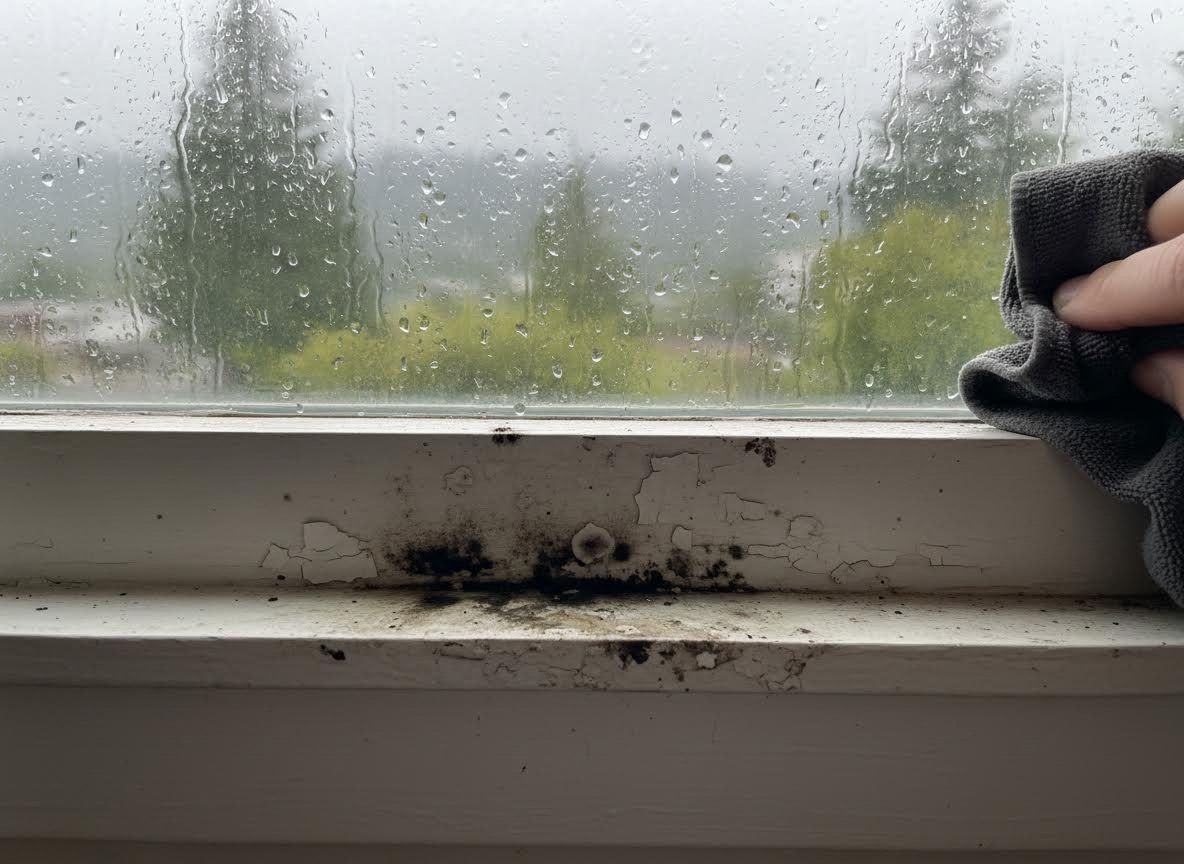
The constant presence of moisture from unresolved window condensation creates an ideal breeding ground for mold. Mold spores are ubiquitous and only need moisture, organic material (like wood, drywall, or paint), and a suitable temperature to thrive. When moisture accumulates around window frames, sills, and adjacent wall areas due to condensation, these surfaces become perfect hosts for mold. This is particularly true if you notice leaking window replacement issues where water is actively seeping into your walls. Mold can spread rapidly, leading to musty odors, discoloration, and potentially affecting indoor air quality, which can have health implications for occupants.
When to Act: Signs Your Windows Need Attention
Beyond visible mold, several indicators suggest your windows are struggling and might be contributing to a moisture problem. Look for rotting wood around window frames, peeling paint on sills, or a consistently damp smell near windows, even after wiping them down. If you're constantly battling significant condensation inside windows or notice any soft spots in the surrounding walls, it's time to consider a more permanent solution. Older windows are particularly susceptible to these issues, and if you replace old windows, you can significantly improve your home's energy efficiency and prevent moisture damage.
The Solution: Professional Window Installation
Addressing persistent window condensation and preventing mold growth often requires more than just a quick fix; it demands a comprehensive solution. Investing in professional window installation with high-quality, energy-efficient windows can effectively mitigate condensation by improving insulation and sealing your home's envelope. Expertly installed windows will minimize thermal bridging and air leaks, drastically reducing the conditions that lead to excessive moisture buildup. This proactive approach not only protects your home from mold but also enhances comfort and can lower energy costs.
Taking action against persistent window condensation is crucial for maintaining a healthy home environment and preserving your property's value. Ignoring the signs can lead to costly structural damage and significant mold remediation down the line. To learn more about identifying and addressing window-related moisture problems, including solutions like a leaking window replacement, we encourage you to explore resources on proper window maintenance and upgrade options that suit your home's specific needs. At Topside Roofing & Siding, we're dedicated to helping our community make informed decisions about their home's exterior health.