Siding Contractor in Bellingham & Northwest Washington
Siding is half our name for a reason. Topside installs and replaces siding with the flashing, drainage and exterior details needed for homes that spend a large part of the year dealing with Northwest Washington rain and moisture.
Fiber cement, engineered wood, cedar, vinyl and metal — with recommendations based on the house, the exposure and the project, not whichever product happens to be easiest to sell.
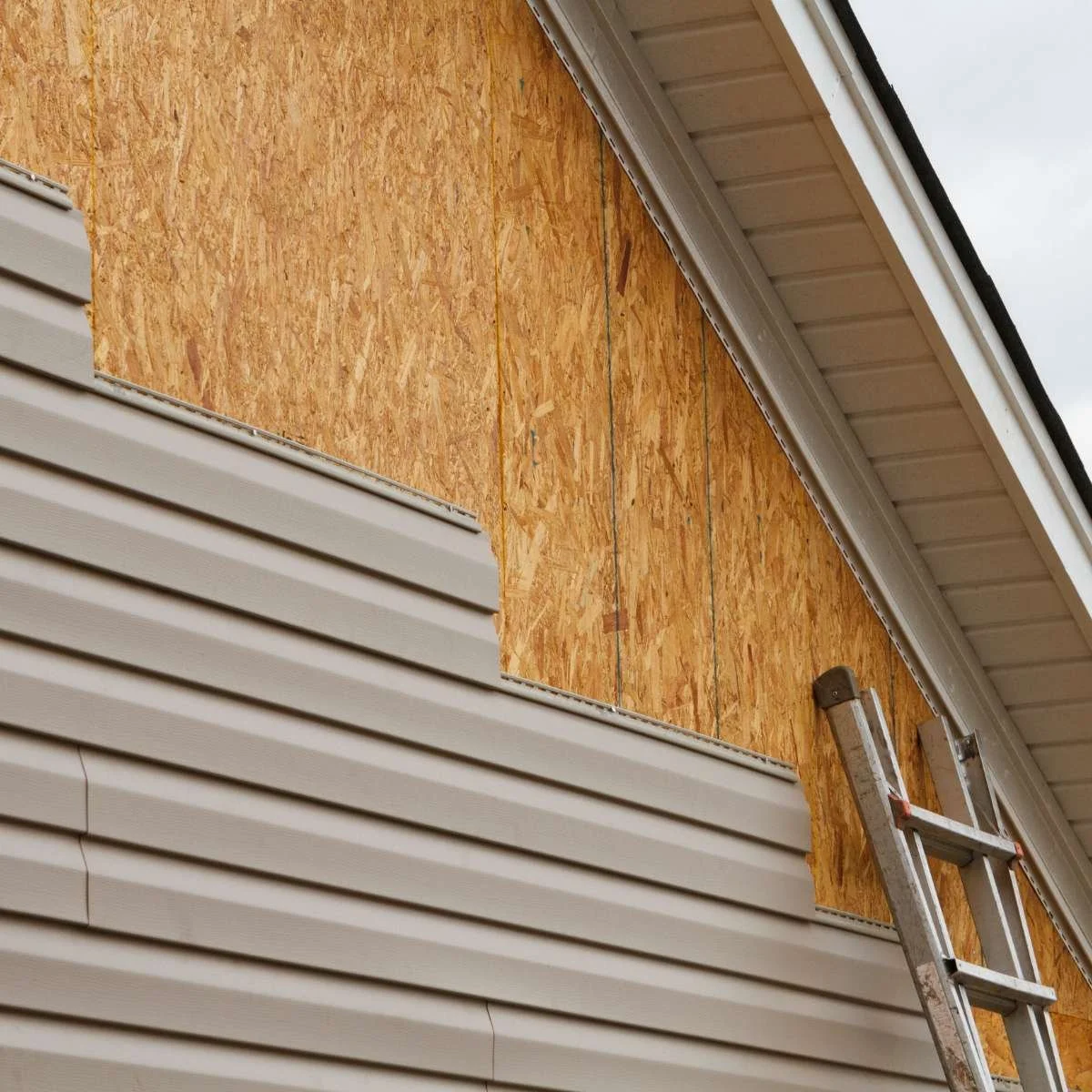
The material matters. The details matter more.
The first siding question is usually “fiber cement or vinyl?” That matters, but it is not the first thing we want to know.
We want to know how water is getting off the wall, what happens around windows and doors, how siding terminates near roofs and decks, what condition the sheathing is in, and whether the wall can dry when moisture gets behind the cladding.
A premium siding product installed with bad flashing can still create a bad wall. A properly detailed exterior gives the material a chance to do the job it was designed to do.
Flashing
Roof-to-wall intersections, windows, doors and horizontal transitions need to move water back to the exterior instead of trapping it behind the siding.
Clearance
Siding that sits against soil, roofs, decks or constantly wet surfaces has a much harder time drying and is far more likely to deteriorate.
Drainage
Some moisture eventually gets behind exterior cladding. The wall assembly needs a path that allows that water to move down and out.
Choosing the right siding for the house
There is no single siding product that makes sense for every Northwest Washington property. Budget, architecture, maintenance expectations, exposure and the condition underneath the existing siding all matter.
Fiber Cement
A strong fit for homeowners looking for a durable painted finish, traditional lap-siding appearance and broad design flexibility.
Great for full-home replacementsEngineered Wood
Wood-style appearance with modern manufacturing and a lighter installation profile than fiber cement.
Great balance of look & performanceCedar
Real wood remains difficult to beat visually, especially on Northwest homes where natural materials fit the architecture.
Best for natural characterVinyl
Lower-maintenance siding that can make sense when simplicity, budget and easy upkeep are major priorities.
Practical lower-maintenance optionMetal
A modern, durable option for contemporary homes, accent areas and projects where the architecture calls for something different.
Modern & low maintenanceNot sure which siding makes sense?
That is part of the estimate. We can look at the existing wall, talk through the priorities and help narrow down the material options.
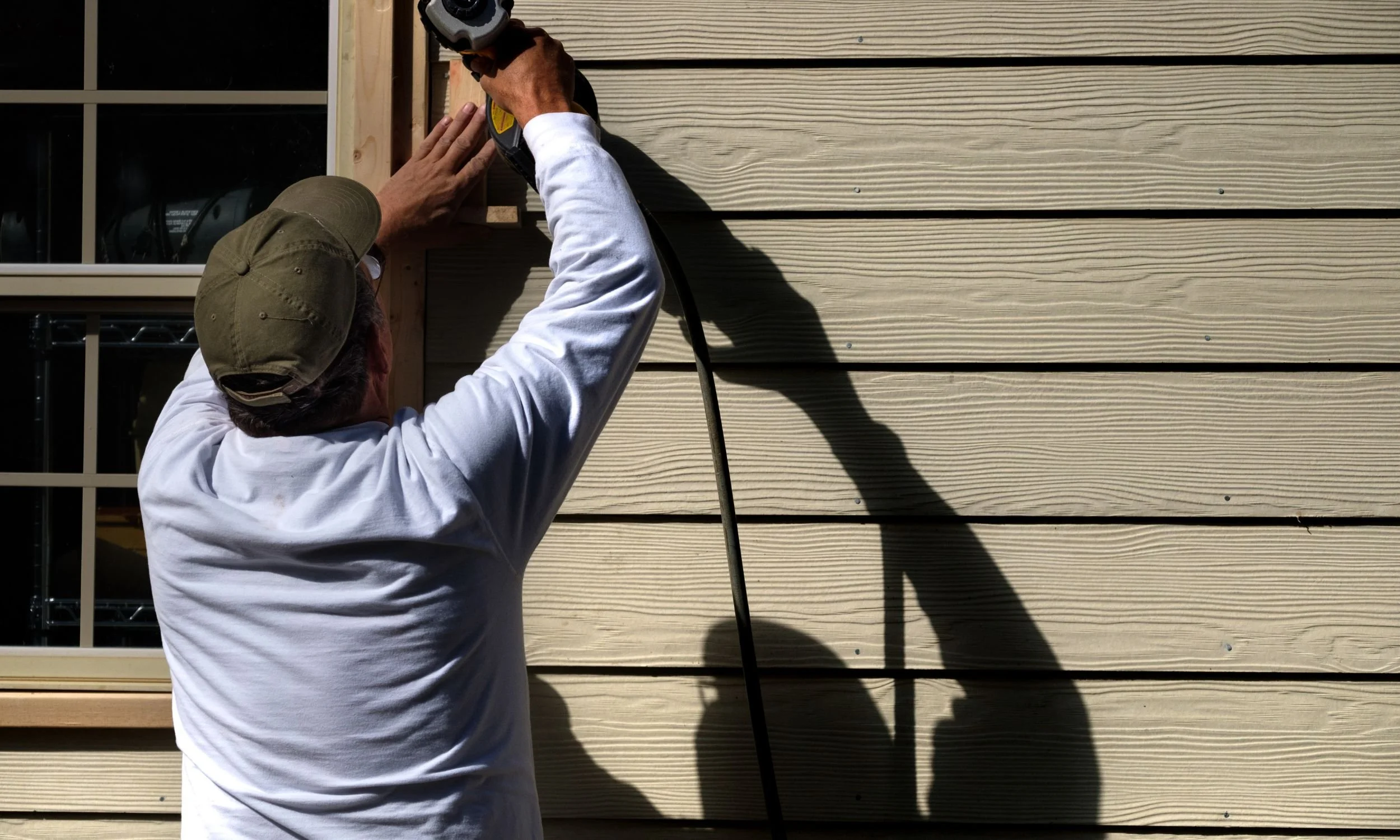
The wall has to manage water even when the siding looks dry
Exterior cladding is the first line of defense, but siding alone is not a waterproof wall. Wind-driven rain, joints, penetrations and transitions mean the layers behind the siding matter too.
That is especially important around Bellingham and the rest of Northwest Washington, where walls can go through long wet stretches and shaded elevations may take much longer to dry.
When we replace siding, we are interested in what is behind it — not just what the finished wall will look like from the street.
Is your old hardboard siding swelling or falling apart?
Composite hardboard siding was widely used on older Pacific Northwest homes. Once it repeatedly absorbs moisture, the edges can swell, paint can crack and the boards can begin breaking down.
At that point, repainting the surface does not necessarily solve the underlying problem. The real question becomes how widespread the deterioration is and what condition the wall is in underneath.
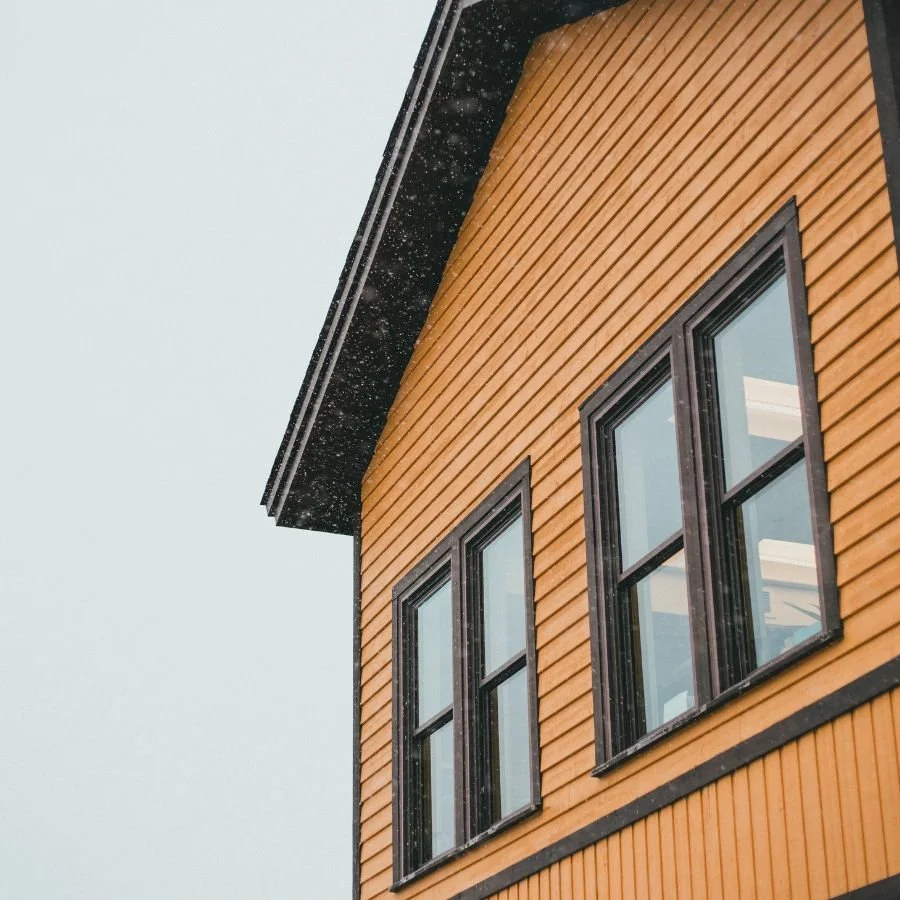
The details disappear when the siding goes on. That does not make them optional.
Some of the most important work on a siding project is covered up before the finished boards are installed.
Move roof water away from the wall
Where a sloped roof terminates against a wall, concentrated roof runoff needs to be directed away from the siding rather than dumped into the wall below it.
Give siding room to dry
Soil, roofs, decks, steps and other wet surfaces should not stay pressed against siding. Correct spacing helps reduce moisture absorption and makes future maintenance easier.
Openings have to shed water correctly
Head flashing and the surrounding water-resistive layers need to work together so water is directed around the opening and back outside.
The layers behind the siding matter
The water-resistive barrier and flashing should be installed in a way that continually directs water downward and outward instead of trapping it against the sheathing.
Replacing siding is the perfect time to fix old exterior mistakes
Once the old cladding is off, we can actually see the sheathing, flashing and water-management details that were hidden before.
Siding is not an add-on service for us
Roofing & Siding is the company name because the two systems are connected. Roof edges, wall flashing, windows, gutters and siding all have to work together to keep water outside.
One exterior contractor when the project crosses systems
Many siding projects touch another part of the exterior. That is where having one company that works across the building envelope becomes useful.
Roofing
Roof replacement, repair, maintenance, metal roofing and emergency leak work.
Gutters
Gutters and drainage that move roof water away from siding, fascia and the foundation.
Windows & Skylights
Openings that need to integrate correctly with flashing, siding and the surrounding exterior.
Decks
Deck work and the critical connections where decks meet siding and the structure.
What a siding project with Topside looks like
The goal is to understand the condition of the walls, define the scope clearly and deal with the hidden parts correctly before the finished siding goes up.
Inspect the exterior
We look at each elevation, problem areas, windows, roof intersections, deck connections and areas close to grade.
Choose the right scope
Repair, partial replacement or a complete re-side depending on the material and how widespread the damage is.
Review materials
We talk through siding type, profile, trim and other project choices before work begins.
Remove the old siding
Once the wall is exposed, sheathing and hidden water-damage areas can be evaluated properly.
Build the wall back correctly
Necessary repairs, water-resistive layers, flashing and exterior details are handled before the new cladding covers them.
Install & finish
New siding, trim and final exterior details are installed, followed by cleanup and project review.
Reviews from Topside customers
“Topside stood out immediately. Their representative was thorough and professional, and the installation crew worked quickly, stayed friendly, and did a fantastic job.”
“Work began promptly and was completed in three days, including a thorough cleanup. Every aspect of the work was professional, thorough and cost effective.”
“They were courteous and very clean when doing their work. A few days later a foreman came out to inspect the job and make sure everything was water tight.”
Based in Bellingham. Working throughout the region.
Topside Roofing & Siding is based at 161 E Horton Rd in Bellingham and works throughout Whatcom, Skagit and Island Counties.
Siding questions homeowners ask us
How do I know if I need siding repair or full replacement?
Localized damage from a failed flashing, gutter overflow, impact or isolated rot can sometimes be repaired. Widespread deterioration, repeated failures or siding material that is breaking down across multiple elevations may make full replacement more practical.
What siding material is best for Northwest Washington?
There is not one correct answer for every home. Fiber cement, engineered wood, cedar, vinyl and metal can all make sense depending on budget, appearance, maintenance expectations and the architecture of the house. Installation details and water management matter regardless of material.
My older siding is swelling at the bottom. What does that mean?
Swelling, softness, separating layers and paint failure can be signs that older composite siding has absorbed moisture and deteriorated. We can inspect the material and help determine whether the issue is localized or widespread.
Can failing hardboard siding just be repainted?
New paint can improve appearance, but it does not reverse siding that has already swollen or deteriorated underneath. If the substrate itself is failing, the condition of the siding needs to be addressed first.
What happens if you find rotten sheathing after the siding comes off?
That is one of the reasons the tear-off stage matters. Damaged wall sheathing and related moisture problems should be addressed before the new siding covers the wall again. We explain what is found and how it affects the project scope.
Should I replace windows at the same time as siding?
If the windows are already due for replacement, doing both projects together can make sense because the siding is already removed and the window flashing can be integrated with the wall system. If the windows are in good condition, there may be no reason to replace them.
Can Topside handle gutters, roofing or deck work at the same time?
Yes. Topside also works on roofing, gutters, windows, decks and skylights, which is useful when a siding project intersects with another exterior system.
Could an older home have asbestos-containing siding?
Some older siding products can contain asbestos. If the age or material creates that concern, it should be properly identified before demolition or disturbance rather than guessed at during tear-off.
Do you provide free siding estimates?
Yes. Call (360) 752-2220 or use the estimate form to tell us about the property and what you are seeing.
Ready to find out what is actually happening with your siding?
Whether you are dealing with a few damaged boards or planning a complete exterior replacement, we can look at the wall, explain the options and help build the right scope.