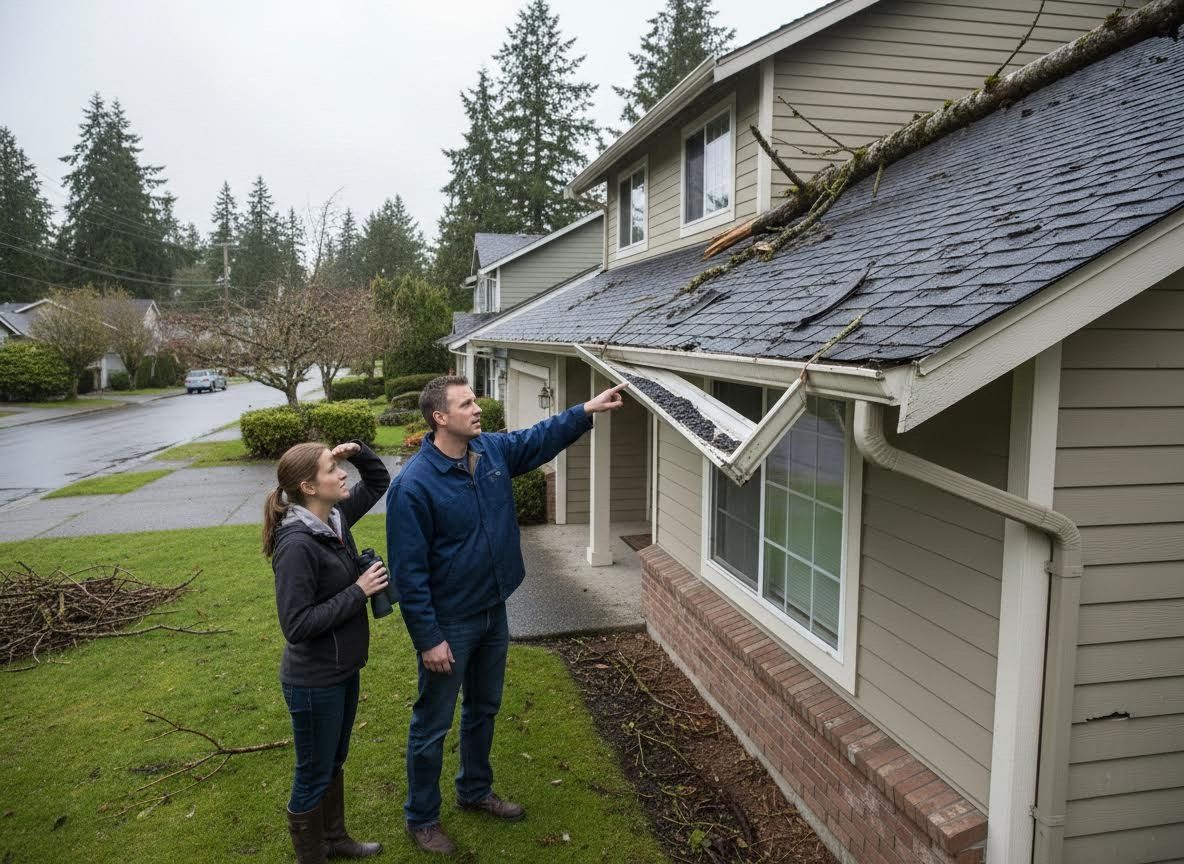
When a severe storm rolls through Whatcom, Skagit, and San Juan Counties, your roof often takes the brunt of the weather. While the immediate danger passes, the aftermath can leave hidden vulnerabilities that, if left unaddressed, can lead to bigger problems down the line. That's why it's essential to know what to look for and act quickly to protect your home or commercial building. For over 35 years, Topside Roofing & Siding has been a trusted partner in ensuring the integrity of structures across our community, and we're here to guide you through the post- storm damage assessment process.
Exterior Visual Checks (From the Ground)
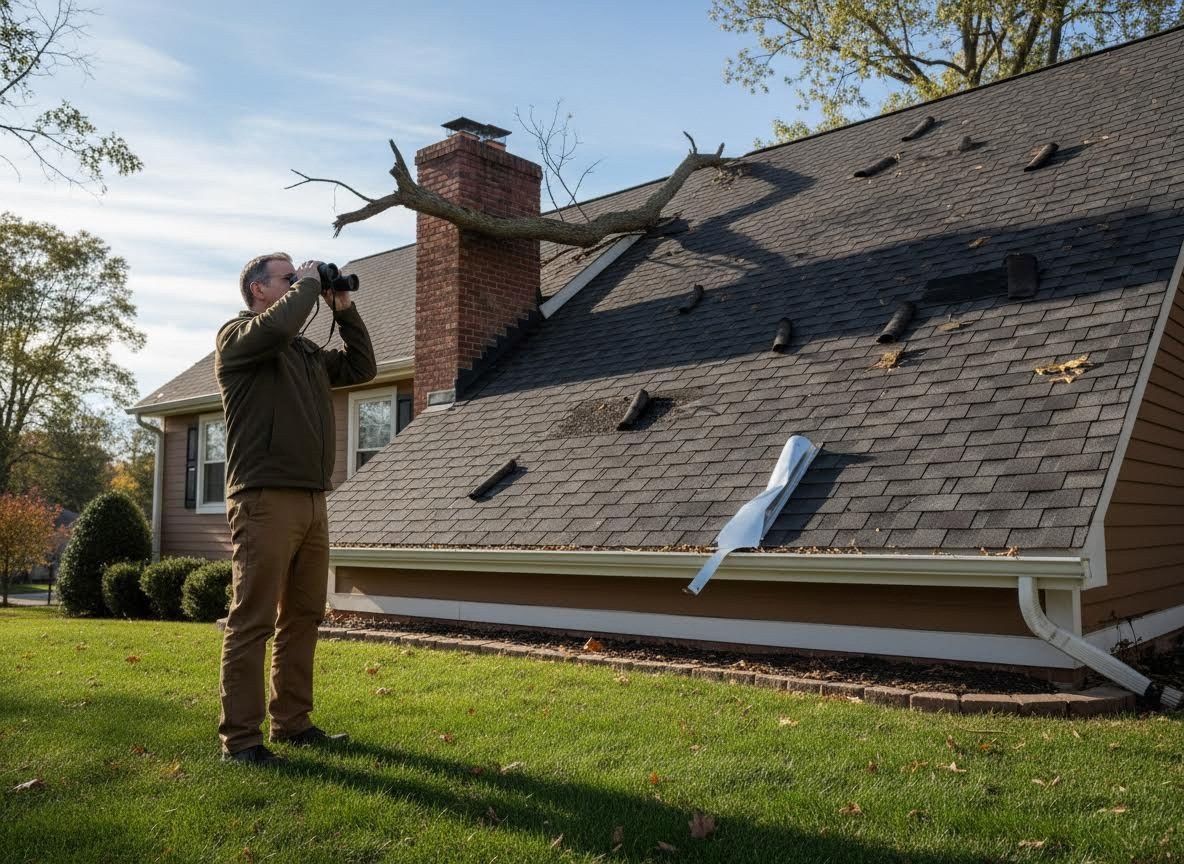
After the winds subside and the rain stops, the first step is a safe, ground-level inspection of your roof. From a distance, look for any obvious signs of distress. Are there missing or cracked shingles? Can you see any displaced or bent flashing around chimneys or vents? Keep an eye out for debris like branches or leaves that may have collected on the roof, as these can obscure damage or cause further issues. Even small areas of granular loss from asphalt shingles can indicate storm damage. This initial overview can give you a good sense of whether more serious issues are present and if you might need a professional roof repair.
Don't Forget the Gutters and Siding
Your roof isn't the only part of your exterior vulnerable to heavy storms. Gutters often bear the impact of strong winds and torrential rain, leading to clogs, detachments, or physical damage. Check for sagging sections, disconnected downspouts, or excessive shingle granules in the gutters, which signal your roof might be deteriorating. Simultaneously, inspect your siding for cracks, holes, or loose panels caused by flying debris. Addressing these issues promptly is key to preventing water intrusion and maintaining your property's overall structural integrity, a common concern for NW roofing systems.
Interior Warning Signs
While exterior damage is often visible, some of the most critical issues can manifest inside your home or commercial space. After a storm, carefully inspect your attic, ceilings, and walls for any signs of water intrusion. Look for water spots, streaks, or discoloration on ceilings, especially in rooms directly below your roof. In the attic, check for damp insulation, active leaks, or mold growth, which indicate moisture has penetrated the roofing system. These interior signs are clear indicators that your roof has suffered significant storm damage and requires immediate attention to prevent further deterioration and costly repairs.
Why Professional Inspection is Crucial
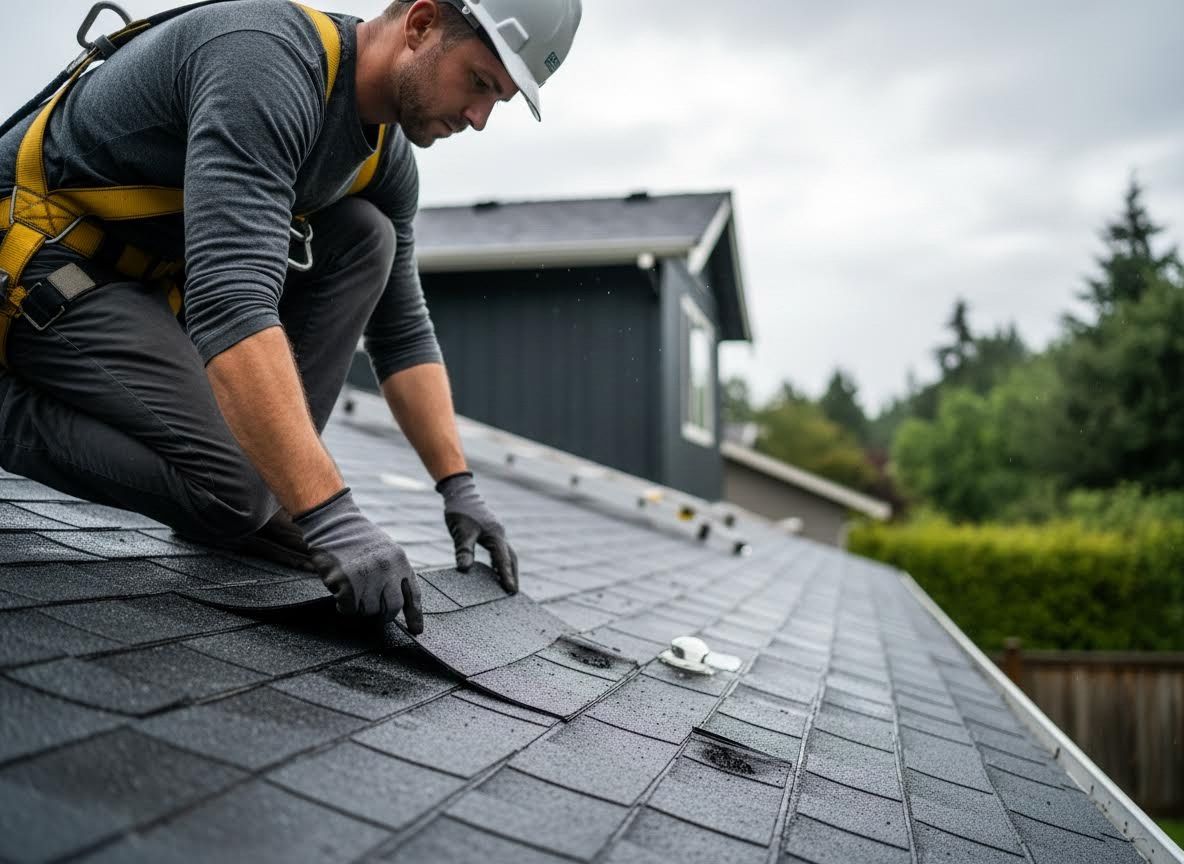
Even if you don't spot immediate signs of storm damage, it doesn't mean your roof is entirely safe. Many types of damage, such as hail impacts or wind uplift, can be subtle and difficult for an untrained eye to detect, but they compromise the lifespan of your roof. A professional inspection by experienced NW roofing experts can uncover hidden issues, assess the full extent of the damage, and recommend appropriate roof repair or, in severe cases, a full roof replacement. As Whatcom County's only GAF Master Elite Contractor, we have the specialized knowledge and certifications to thoroughly evaluate your roof and ensure its long-term health.
After a storm, swift action is crucial for protecting your property from further damage and securing its longevity. Don't let potential storm damage go unaddressed, as even minor issues can escalate into significant problems over time. Topside Roofing & Siding is here to provide reliable and expert assessments, offering solutions from minor roof repair to comprehensive roof replacement, backed by exclusive GAF warranties other companies can't match. If you suspect your roof has been compromised, reach out to us to schedule a thorough inspection and ensure your peace of mind.