Your home's siding plays a crucial role in both its curb appeal and its protection against the elements, especially with the unique weather patterns we experience here in Whatcom, Skagit, and San Juan Counties. Over time, even the most resilient materials can succumb to wear and tear, making it essential to recognize when your home's exterior defense is weakening. For over 35 years, Topside Roofing & Siding has helped homeowners understand and address these critical issues. Identifying the signs your home's exterior siding is failing early can prevent more significant, costly problems in the future.
Visible Deterioration and Damage
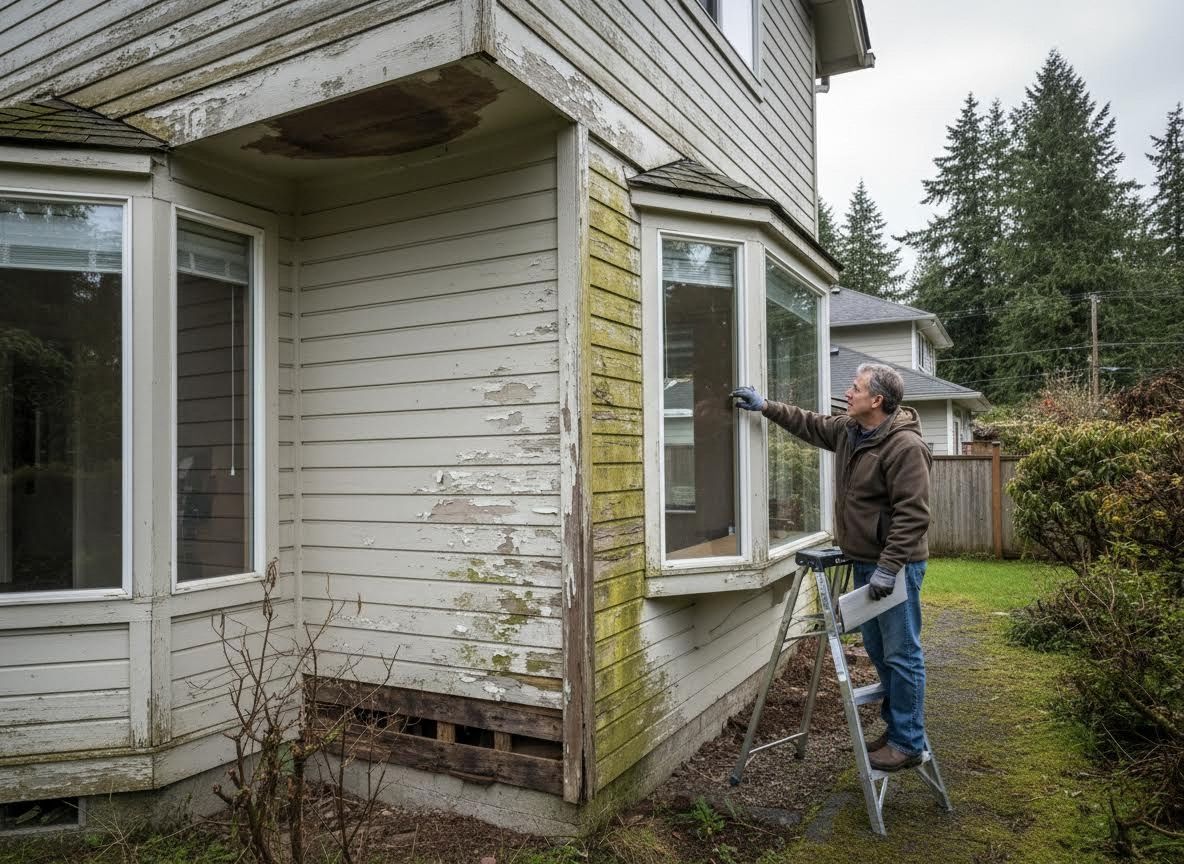
One of the most straightforward ways to tell if your siding is failing is through visual inspection. Walk around your home and look for obvious signs of distress. Cracks, chips, or holes in the siding are clear indicators that it's no longer providing adequate protection. Warping, buckling, or bubbling can suggest moisture infiltration beneath the surface, which compromises the integrity of the material. Furthermore, peeling or bubbling paint, especially on painted siding, often points to moisture issues as the paint loses its adhesion due to dampness. Missing sections of siding, while sometimes easy to spot, can also be overlooked and leave your home vulnerable to rot and pests.
Elevated Energy Bills and Interior Issues
Sometimes, the signs of failing siding aren't visible from the outside. If you've noticed a sudden or gradual increase in your heating or cooling bills without a change in usage, your siding might be to blame. Damaged or degraded siding loses its insulating properties, allowing conditioned air to escape and outside air to seep in, forcing your HVAC system to work harder. Beyond energy costs, look for interior signs such as mold or mildew growth on interior walls, particularly around windows or corners. Water stains on ceilings or walls, even if seemingly minor, can indicate that moisture is penetrating your exterior envelope, and your siding could be the culprit. These issues often mean you're past the point of minor repairs and are seeing significant signs you need new siding.
Age, Material, and Local Climate Impact
The lifespan of siding varies greatly depending on the material. While some materials like fiber cement can last 50 years or more, others such as wood or vinyl may only last 20-40 years with proper maintenance. If your siding is approaching or has exceeded its expected lifespan, it's wise to consider an inspection, even if no obvious damage is present. The damp climate of the Pacific Northwest can accelerate the degradation of certain materials, making it even more important to select the best siding for PNW conditions when considering an exterior house remodeling project. Over time, constant exposure to rain, wind, and fluctuating temperatures takes its toll, potentially leading to widespread material fatigue.
Is it Time to Call a Professional?
Recognizing the signs your home's exterior siding is failing is the first step towards protecting your home. Whether it's visible damage, hidden moisture issues, or simply the age of your current material, addressing these concerns promptly is crucial. Understanding the typical siding replacement cost and exploring options with trusted siding contractors near me can help you make an informed decision for your home's long-term health and efficiency. For guidance on the best course of action and to learn about durable siding solutions tailored for our local climate, we invite you to explore the comprehensive information and services available on the Topside Roofing & Siding website.