Metal Roofing in Bellingham & Northwest Washington
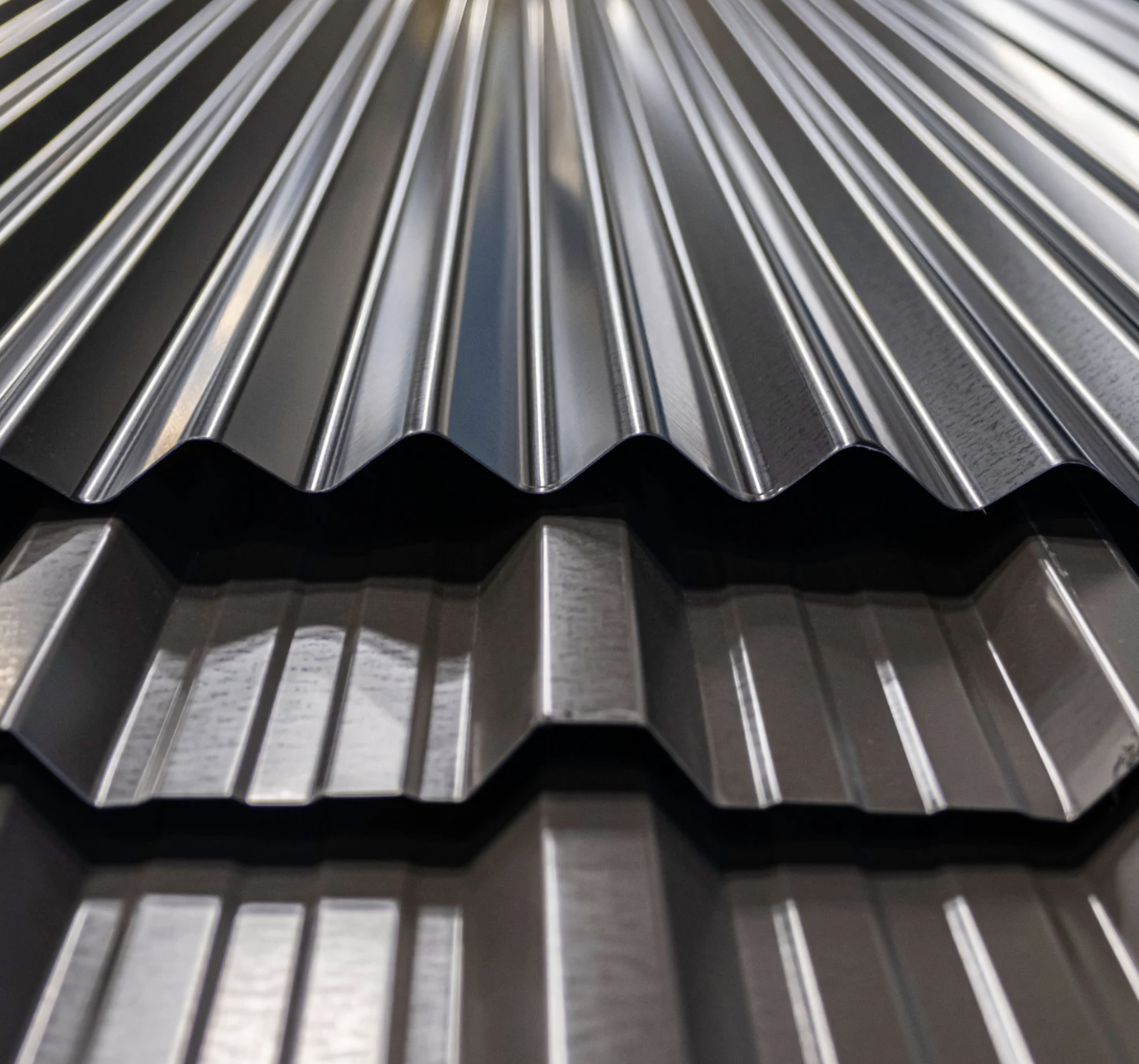
Metal roofing is a strong option for Northwest Washington homes and buildings where durability, water shedding and long-term performance matter.
It also costs more up front than a typical asphalt roof, and it is not automatically the best choice for every property. Topside can help compare the systems and decide whether metal actually fits the house, budget and long-term plan.
Why metal roofing fits Northwest Washington
Metal roofing has several characteristics that make it worth considering in a wet climate. The smooth surface sheds water efficiently, gives moss less texture to establish on, and can perform well on exposed properties when the system is properly selected and installed.
Thinking about switching from shingles to metal?
We can look at the roof, explain the systems that fit the property and compare metal with a conventional asphalt replacement.
Metal roofing is not one product
The system matters. Appearance, fastening method, maintenance, roof design and budget can all point toward a different type of metal roof.
Standing Seam
Standing seam uses vertical metal panels joined at raised seams. Fasteners are concealed beneath the system, creating a clean appearance and reducing the number of exposed attachment points on the roof surface.
Metal Shingles & Tiles
Formed metal roofing can mimic the scale and appearance of shingles, shakes or tile while still providing the characteristics of a metal roofing system.
Exposed-Fastener Panels
These panels fasten through the face of the metal. They are commonly used on shops, barns, garages and outbuildings where value and straightforward installation are priorities.
The panel is only one part of a metal roof
Flashing, underlayment, roof edges, valleys, penetrations and ventilation still matter. A premium roofing material does not make poor detailing disappear.
Metal also requires different planning around expansion, fastening, panel layout and roof transitions than a standard asphalt shingle installation.
That is why the roof design and property should be looked at before choosing a system based only on appearance.
Neither roofing material wins every time
Metal generally requires a larger upfront investment. Asphalt shingles are usually the lower-cost way to replace a conventional residential roof.
The decision becomes more interesting when you consider how long you plan to own the home, maintenance preferences, roof design and whether the appearance of metal fits the house.
We would rather compare the options honestly than assume the more expensive roofing system is automatically the right one.
Metal may make more sense when:
- You plan to keep the property for a long time.
- You want a long-term roofing system.
- The home or building fits the appearance of metal.
- Reduced moss pressure is important.
- You are comfortable with a higher upfront investment.
Asphalt may make more sense when:
- Upfront project cost is a major factor.
- You prefer the look of architectural shingles.
- You do not expect to own the property long term.
- The roof design makes metal unusually complex.
- A quality asphalt system already fits the project well.
Noise and condensation are mostly assembly questions
Two of the biggest concerns homeowners bring up are rain noise and condensation. Both depend heavily on how the roofing system and the building beneath it are constructed.
Will a metal roof be loud?
A residential metal roof installed over solid decking, underlayment and an insulated building assembly behaves very differently from exposed metal installed over open framing on a barn or shop.
What about condensation?
Moisture management still matters. Underlayment, attic ventilation and the overall roof assembly should be considered so indoor moisture is not allowed to become a problem beneath the roofing.
Metal near salt water deserves extra attention
Coastal exposure can affect metal roofing differently than an inland property. Homes near Bellingham Bay, Birch Bay, Semiahmoo, Anacortes and the islands may need more attention paid to coatings, fasteners and other exposed metal components.
The right material specification depends on the actual property, distance from salt water and roof design.
What changes the price of a metal roof
Metal roofing is difficult to price accurately from a generic cost-per-square chart because the system type and roof geometry have a major effect on labor and materials.
Metal roofing across Northwest Washington
Topside Roofing & Siding is based in Bellingham and works throughout Northwest Washington.
Whatcom County
Bellingham, Ferndale, Lynden, Blaine, Birch Bay, Everson, Nooksack, Sumas, Deming, Custer and surrounding communities.
Skagit County
Mount Vernon, Burlington, Sedro-Woolley, La Conner, Conway, Bow, Edison and surrounding communities.
Island County
Oak Harbor and surrounding Whidbey Island communities. Scheduling can vary depending on location.
San Juan County
Island projects may require additional scheduling and travel coordination. Contact us to discuss the property.
Considering metal for your property?
We can look at the roof and help compare the systems that make sense for the building.
Reviews from Topside customers
“Work began promptly and was completed in three days, including a thorough cleanup. Every aspect of the work was professional, thorough and cost effective.”
“Topside stood out immediately. Their representative was thorough and professional, and the cost estimate was both detailed and competitive.”
“Very happy with Top Shelf quality and GAF product. Ponciano and team did a fabulous job. I am a very satisfied customer.”
Common questions about metal roofs
Can metal roofing be installed over my existing roof?
Sometimes, depending on the existing roof and the system being installed. We generally want to understand the condition of the roof deck and existing assembly before committing to a long-term roofing system.
Is a metal roof noisy when it rains?
A residential metal roof installed over solid decking, underlayment and an insulated building assembly is different from exposed metal over open framing. The full roof assembly has a major effect on interior sound.
Does metal roofing still require maintenance?
Yes. Metal generally has different maintenance needs than asphalt, but valleys, gutters, debris, sealants, penetrations and exposed fasteners where applicable should still be monitored.
Will a metal roof dent?
Metal roofing comes in different gauges, profiles and systems. Impact resistance depends on the specific material and the event. A substantial falling limb can damage almost any roofing system.
Does metal roofing take longer to install than shingles?
It often can. Metal roofing generally involves more panel layout and detailing around transitions, edges and penetrations than a typical asphalt shingle roof.
Can metal roofing be used on a low-slope roof?
Some metal roofing systems are designed for lower slopes and others are not. Roof pitch and manufacturer requirements need to be considered before selecting the system.
Is metal roofing better than asphalt?
Not automatically. Metal can provide long-term performance and lower moss pressure, while asphalt typically has a lower initial project cost. The better fit depends on the house, roof design, budget and how long you plan to own the property.
Do you provide free metal roofing estimates?
Yes. Call Topside at (360) 752-2220 or send us the property information through the estimate form.
Is metal roofing the right fit for your home?
We can look at the roof, compare metal and asphalt options, and help you understand which roofing system makes sense for the property and your long-term plans.